
Vishrambaug Wada Pune: History, Architecture & Visit Guide
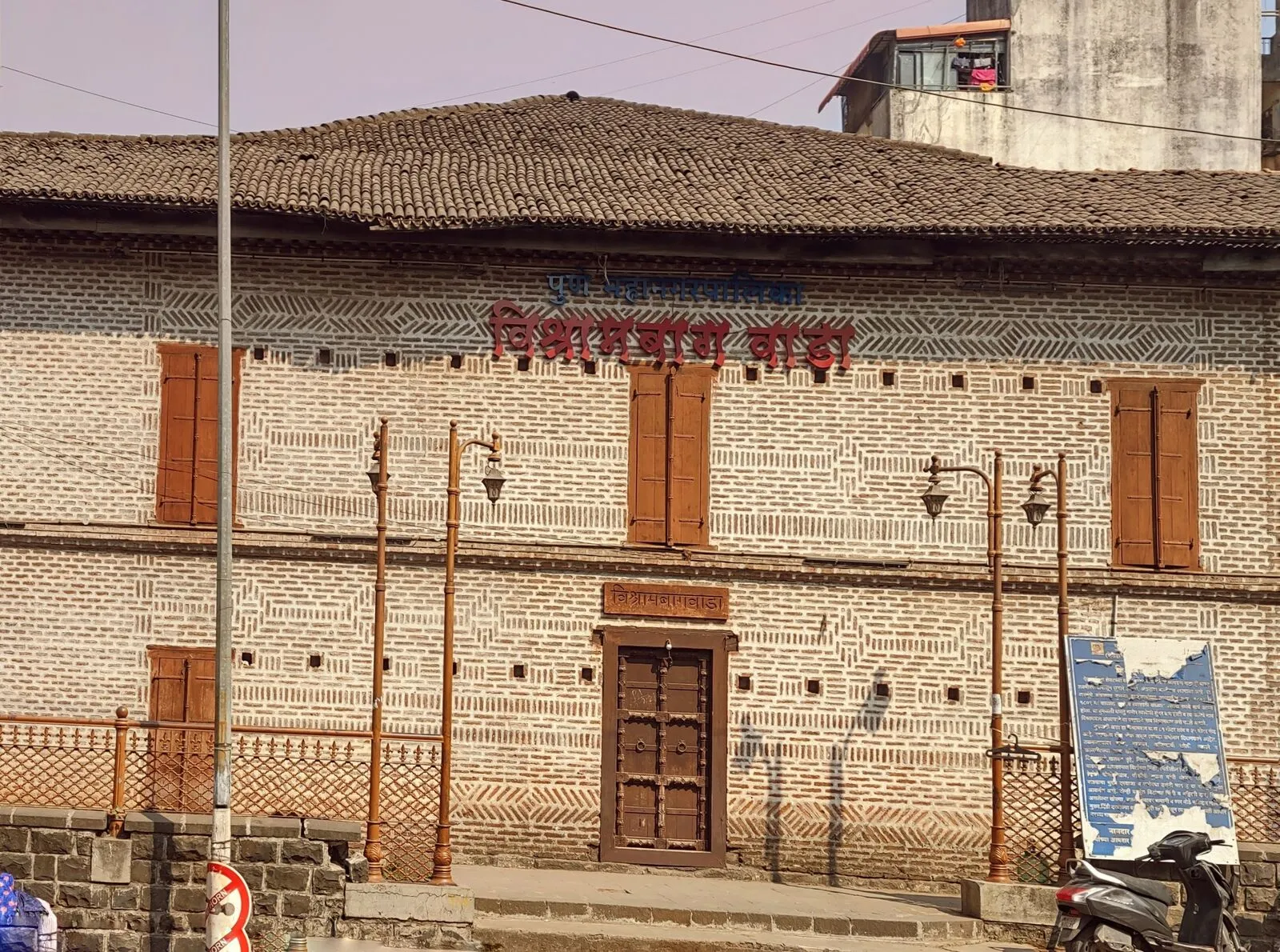
Explore Vishrambaug Wada in Pune, a stunning 200-year-old Maratha mansion. Discover its history, architecture, and visitor tips.
I visited Vishrambaug Wada recently and was absolutely captivated. It's truly a gem in Pune, showcasing stunning old architecture. Walking through the courtyard
✨ Local Highlights
Must-See Attractions & Experiences
Nestled in the bustling heart of Pune's Sadashiv Peth area, Vishrambaug Wada stands as a magnificent testament to the opulent lifestyle and architectural prowess of the late Peshwa period. Located conveniently at 619, RB Kumthekar Rd, this historical landmark served as the luxurious residence of Peshwa Baji Rao II.
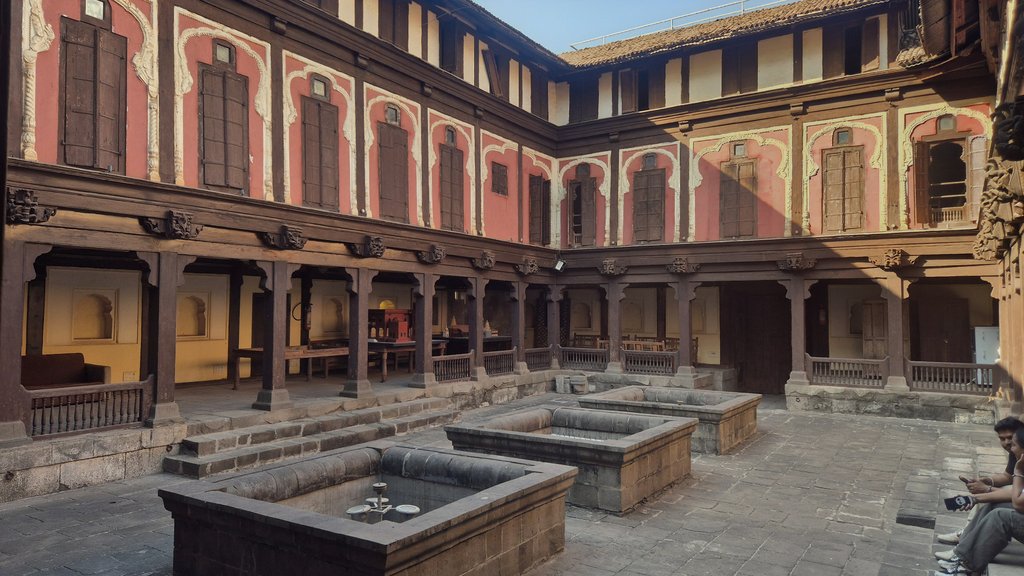
Built in 1807, this traditional mansion took six years to complete, showcasing the dedication and skill involved in its construction. Vishrambaug Wada is a prime example of Maratha architecture, instantly recognizable by its elaborate wooden work and intricate carvings that adorn pillars, balconies, and verandas. Unlike the more fortified Shaniwar Wada, Vishrambaug Wada was designed primarily for comfort and aesthetic appeal, featuring spacious courtyards that provided light and ventilation.
A visit to Vishrambaug Wada offers a captivating glimpse into Pune's rich cultural heritage and the lifestyle of its rulers from over two centuries ago. The detailed craftsmanship of the woodwork and the scale of the mansion are truly impressive, drawing visitors into the historical narrative. While parts of the Wada house offices (including a post office on the ground floor), a significant portion is open to tourists.
Inside, you'll find a museum showcasing Maratha artifacts, providing historical context to the structure and the era. Informative boards are available in both English and Marathi, making the history accessible to a wider audience. Vishrambaug Wada also serves as a venue for cultural activities, keeping its historical significance alive within the modern city.
For travellers, the best time to visit Pune, and subsequently Vishrambaug Wada, is during the cooler months from October to March. The Wada is centrally located and easily accessible, often mentioned alongside nearby attractions like Tulshi Bag. While entry is generally free, it's worth noting that photography rules can sometimes vary or be restricted inside the main sections, so it's advisable to check on arrival. Pune offers a vibrant culinary scene, known for its Maharashtrian delicacies – don't miss trying local street food or a traditional thali after your visit.
During the monsoon (July-September), the weather is pleasant but rain can be unpredictable. Summers (April-June) can be hot and humid. Nearby alternatives or complementary visits include the iconic Shaniwar Wada for a different perspective on Peshwa history or the lively market area of Tulshi Bag for shopping and local flavour. Vishrambaug Wada is not just a structure; it's a journey back in time, offering a serene yet fascinating historical experience in the heart of Pune.
I visited Vishrambaug Wada recently and was absolutely captivated. It's truly a gem in Pune, showcasing stunning old architecture. Walking through the courtyards and seeing the intricate woodwork felt like stepping back in time. It's clear why so many people love this place – it's well-preserved, has interesting history, and is a beautiful spot to explore right in the heart of the city. It's a must-see if you're in Pune!
Know Before You Go
📍 Nearby Places
Discover more attractions around Vishrambaug Wada Pune: History, Architecture & Visit Guide
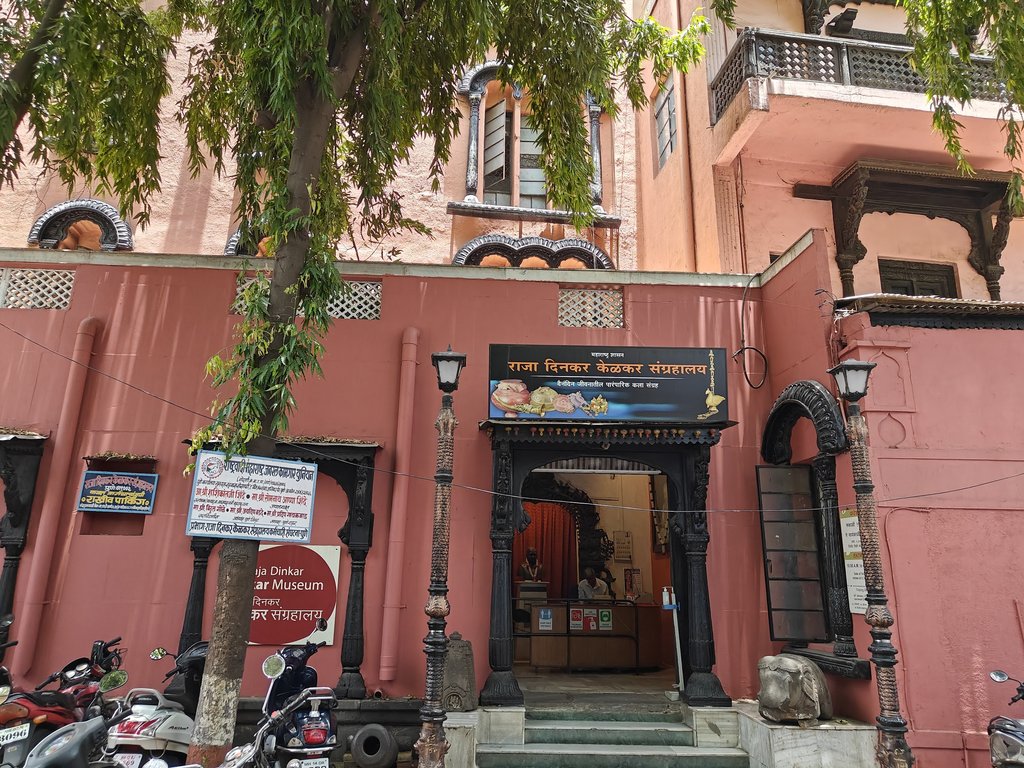
Raja Dinkar Kelkar Museum Pune Travel Guide
Discover Raja Dinkar Kelkar Museum in Pune, home to thousands of Indian artifacts & cultural treasures. Plan your visit!
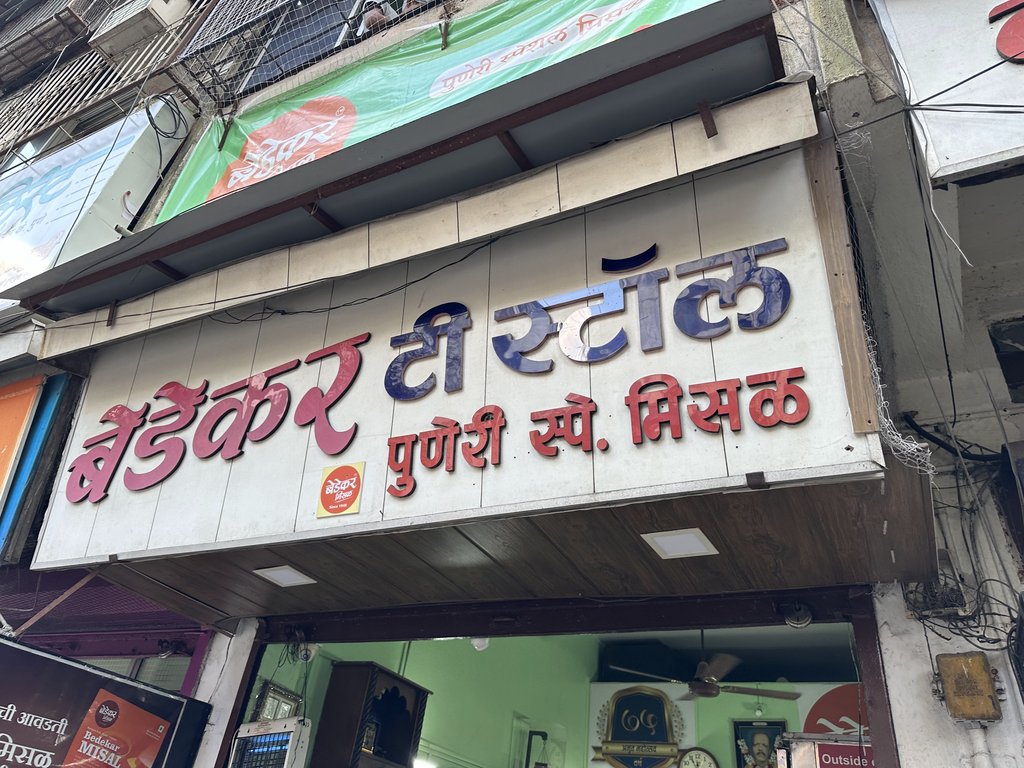
Bedekar Misal: Pune's Must-Try Sweet & Spicy Twist
Taste Bedekar Misal in Pune! Famous for unique sweet and spicy misal served with bread. Try refreshing drinks. Popular and affordable.
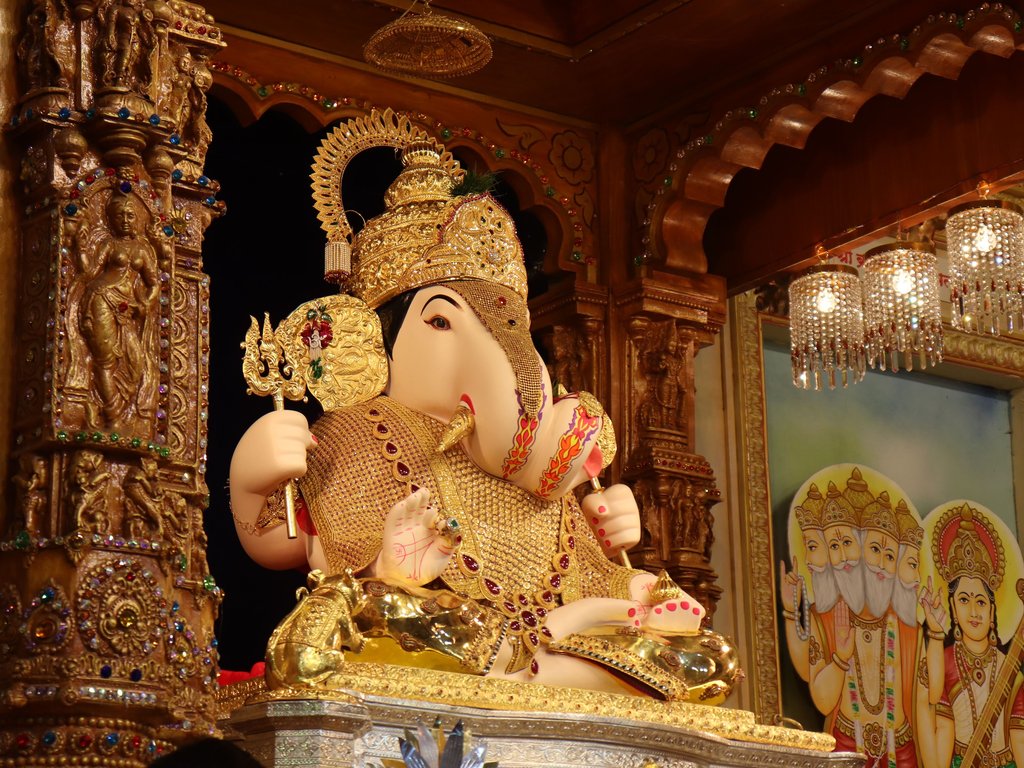
Dagdusheth Ganpati Temple Pune: Guide to Visiting
Visit Shrimant Dagdusheth Halwai Ganpati Mandir in Pune. Experience the spiritual ambiance and stunning Ganesha idol. Plan your trip!
Nana Wada Pune: History, Architecture & Visitor Guide
Explore Nana Wada in Pune, the historic mansion of Nana Phadnavis. Discover its Maratha architecture and significance.

Lal Mahal Pune: History & Childhood Home of Shivaji Maharaj
Explore Lal Mahal in Pune, the historical childhood home of Chhatrapati Shivaji Maharaj. Discover exhibits on his life & the legendary Shaista Khan attack.
Shaniwar Wada Pune: History, Travel Guide & Things to Do
Explore Shaniwar Wada, Pune's historic Peshwa fort. Discover Maratha history, iconic gates, gardens, and the light show.