
Zero Stone, Pune: Historical Landmark & Photo Spot
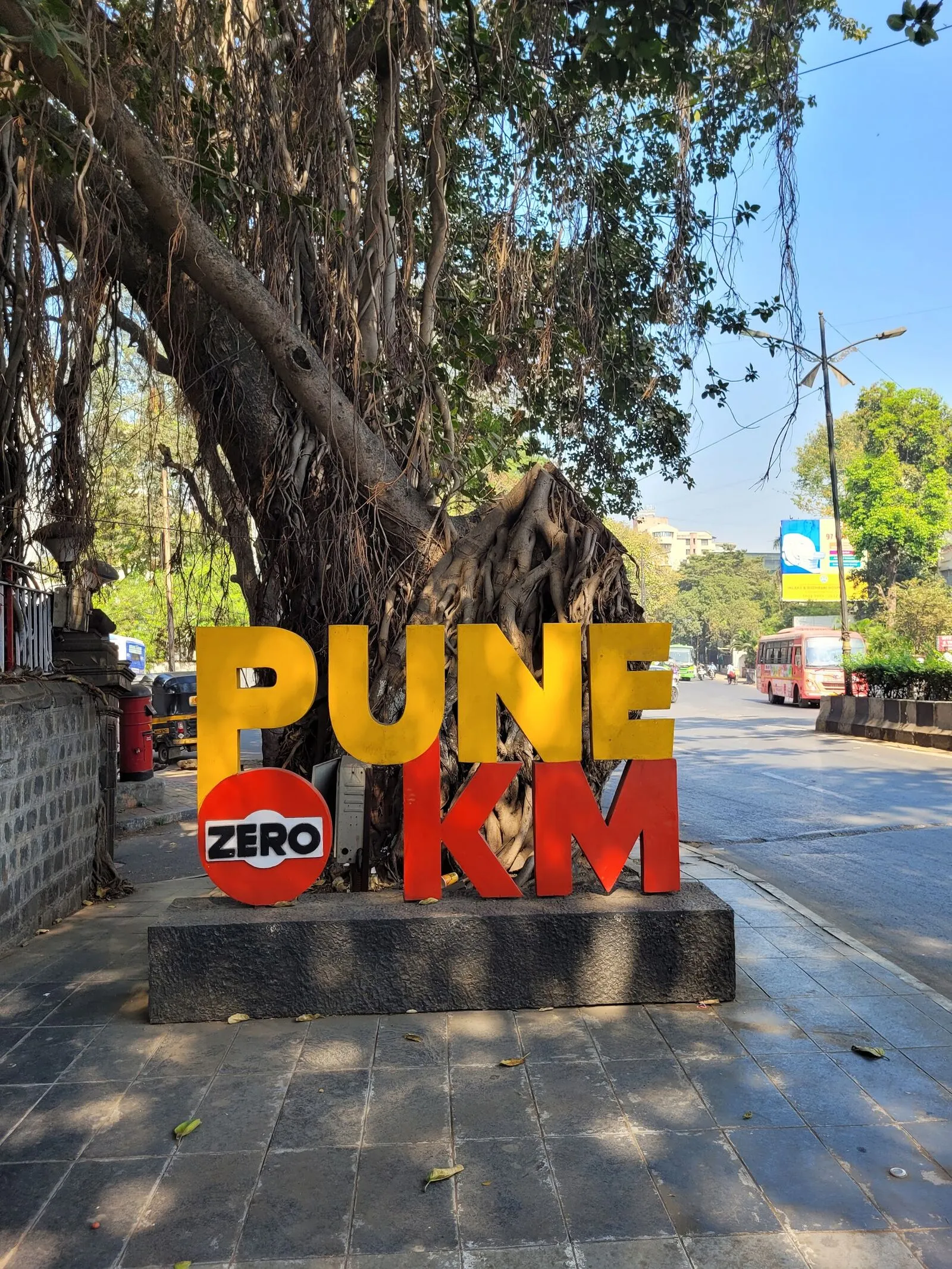
Discover Pune's Zero Stone, the historical marker for distance measurement. A must-visit photo spot with rich heritage.
I absolutely loved visiting the Zero Stone in Pune! It's such a unique historical spot, marking the city's original zero kilometer point. It's fascinating to th
✨ Local Highlights
Must-See Attractions & Experiences
Nestled in the bustling heart of Pune, along Sadhu Vaswani Road in Agarkar Nagar, stands the Zero Stone. While unassuming in size, this historical landmark carries immense significance as the point from which distances to and from Pune city were traditionally measured. Often referred to as the 'Zero Milestone', it's a quiet tribute to the city's past and the meticulous work of early surveyors.
Historically, zero milestones were erected in cities across India during the British Raj, serving as central reference points for cartography, infrastructure development, and travel. Pune's Zero Stone dates back to a time when such markers were crucial for establishing routes and measuring the vast distances of the subcontinent. It stands as a silent witness to centuries of urban growth and evolution, connecting the modern city to its foundational past. It’s not just a stone; it’s a symbol of Pune’s origin point in the network of Indian geography, even playing a role in historical surveys like the calculation of Mount Everest's height.
There are several compelling reasons to visit Pune's Zero Stone. For history enthusiasts, it offers a tangible link to colonial-era surveying and the city's historical layout. It's a fantastic spot for photography, allowing visitors to capture a unique piece of Pune's heritage. Including it as part of a wider heritage walk in the area, perhaps combining it with a visit to the nearby General Post Office (GPO) or other historical buildings, makes for a fulfilling experience. It serves as an excellent educational point, particularly for students interested in geography, history, or surveying.
Being a roadside monument, the Zero Stone doesn't have dedicated food amenities. However, its central location means you are steps away from numerous local eateries and cafes offering diverse Pune cuisine, from street food delights like Vada Pav and Misal Pav to more traditional Maharashtrian thalis. The best time to visit is during the cooler months, from October to March, when the weather is pleasant for walking and exploring. Avoid the monsoon season (June to September) as rain can make viewing difficult. Practical tips include visiting during daylight hours for better visibility and photos, and being mindful of traffic as it's on a busy road. Parking can be challenging, so using public transport, a taxi, or walking from nearby parking spots is advisable.
Seasonally, Pune experiences hot summers (April-May), monsoons (June-September), and pleasant winters (October-March). Winter is ideal for a visit. During summer, early mornings or late afternoons are better. If you have extra time, explore nearby attractions like the Osho International Meditation Resort (though a different type of attraction), Aga Khan Palace, or the Shaniwar Wada fort, which offer deeper dives into Pune's history and culture. The Zero Stone, while small, is a significant starting point for understanding Pune's place on the map, both literally and historically.
I absolutely loved visiting the Zero Stone in Pune! It's such a unique historical spot, marking the city's original zero kilometer point. It's fascinating to think about all the history embedded in that one stone, from the early mapping of India to the incredible work of the surveyors. It’s a perfect little stop for a quick photo and a moment to appreciate the past. Seeing where the city's distances were measured from felt special. It’s clearly a beloved spot, enjoyed by many visitors looking for a gentle touch of history amidst the busy city.
Know Before You Go
📍 Nearby Places
Discover more attractions around Zero Stone, Pune: Historical Landmark & Photo Spot
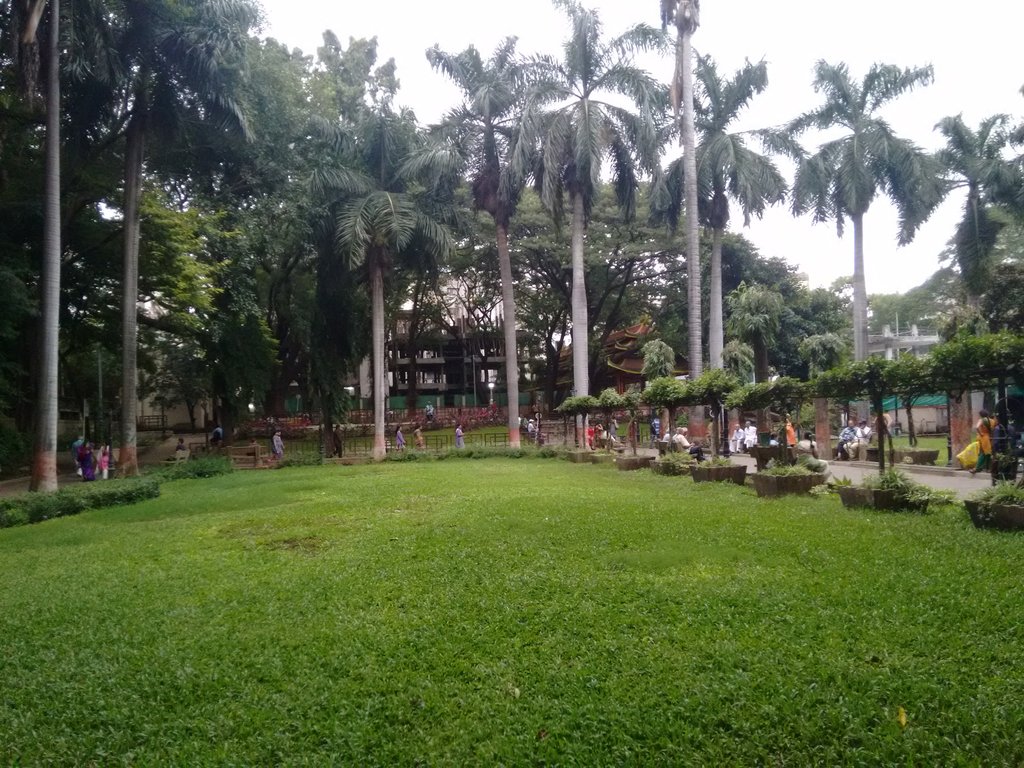
Shree Chhatrapati Shahu Garden Pune: A Visitor's Guide
Discover Shree Chhatrapati Shahu Garden in Pune. Lush greenery, walking tracks, kids' area, outdoor gym. Perfect for fitness & relaxation. Plan your visit!
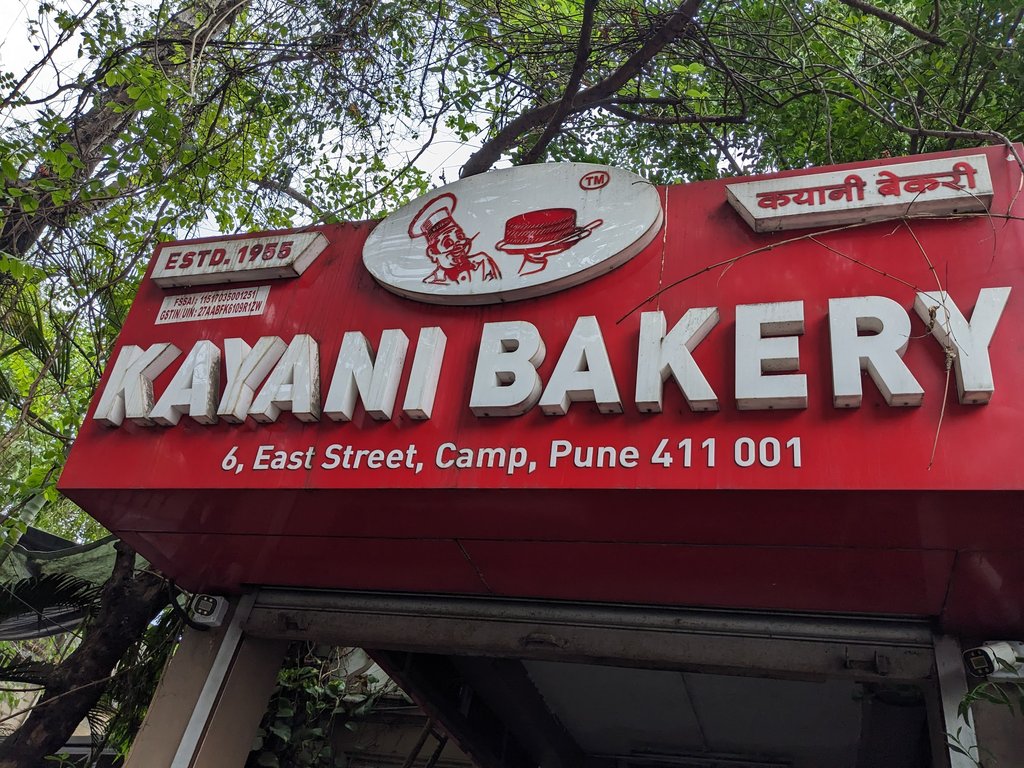
Pune's Iconic Kayani Bakery: Shrewsbury & Mawa Cake
Discover Pune's historic Kayani Bakery, famous for its Shrewsbury biscuits & Mawa cake. A must-visit culinary landmark.
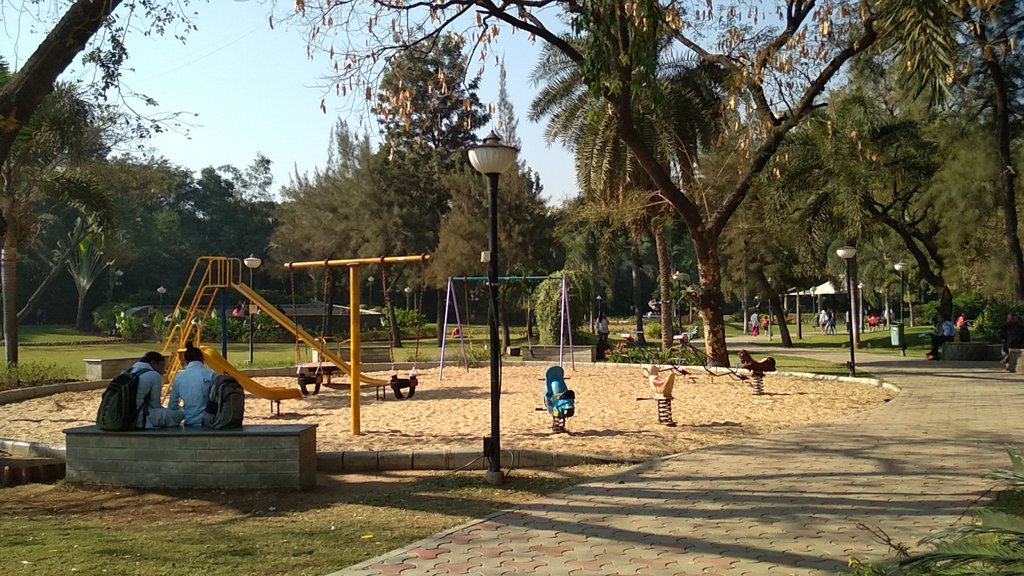
Matoshree Ambedkar Udyan Pune: Green Escape Guide
Discover Matoshree Ramabai Bhimrao Ambedkar Udyan in Pune. A peaceful green space perfect for jogging, yoga, and family fun.
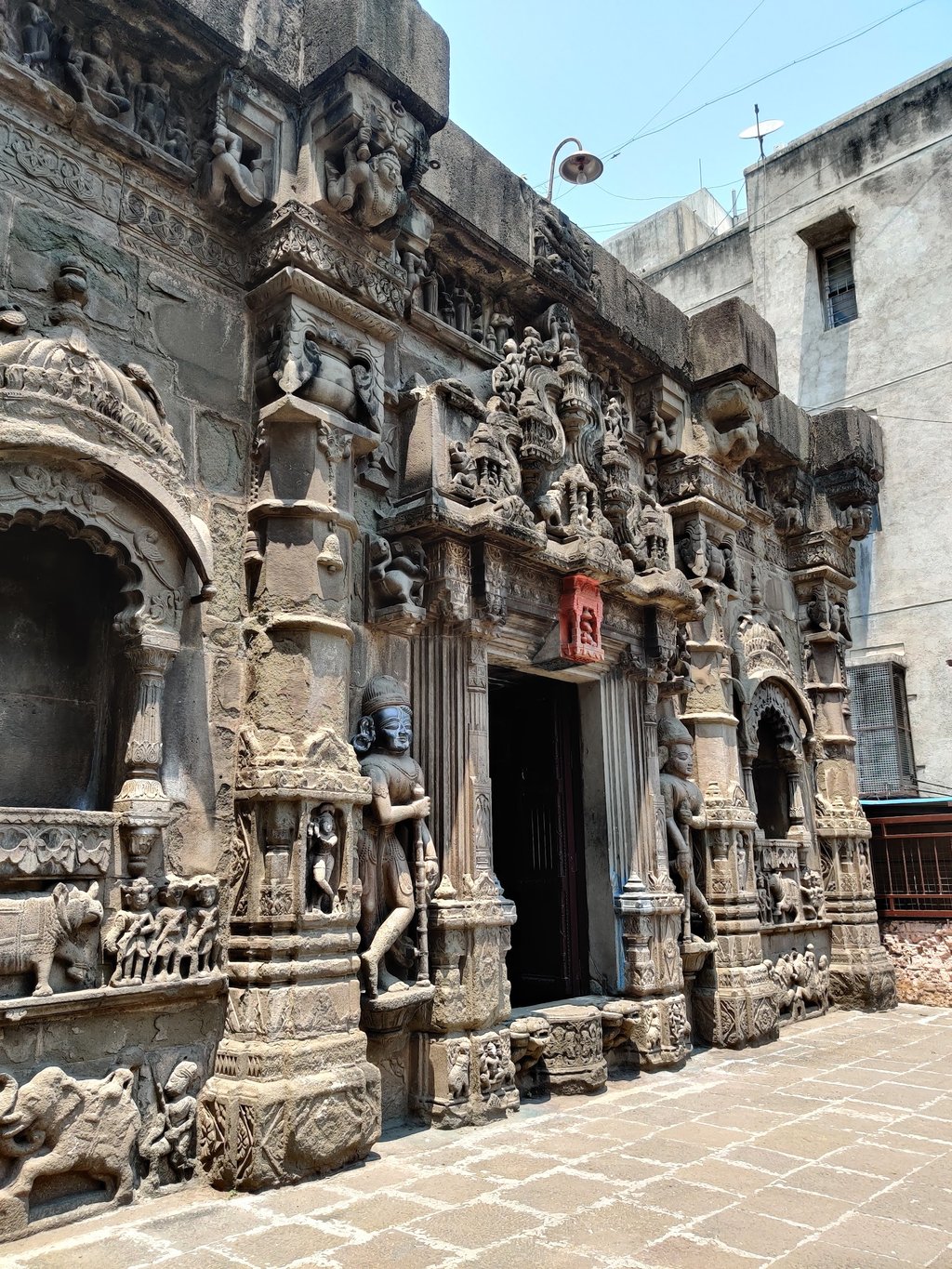
Shree Trishunda Ganpati Mandir Pune: Unique Ganesh Temple
Discover Shree Trishunda Ganpati Mandir in Pune, home to a rare three-trunked Ganesha. Experience ancient architecture and peaceful spirituality.
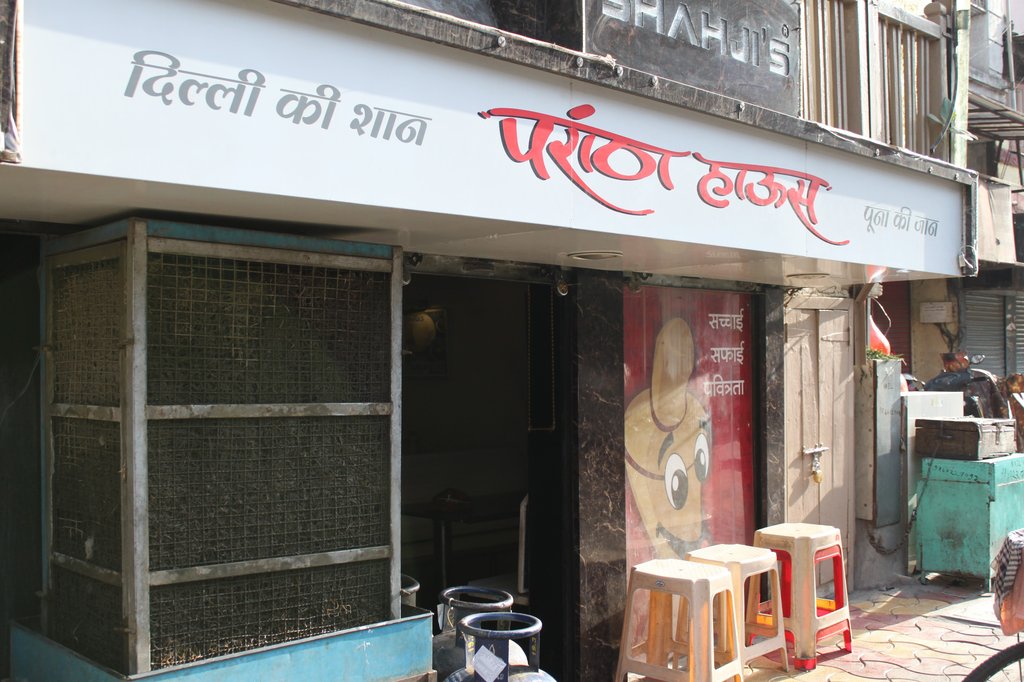
Pune's Best Parathas: Shahji's Lakshmi Road Secret
Craving authentic North Indian parathas in Pune? Discover Shahji's Parantha House on Lakshmi Road for delicious flavors and a wholesome dining experience.

Pune's Iconic Burger - Camp Branch: Jumbo Bites & Flavor Explosion!
Discover Burger - Camp Branch, Pune's beloved spot for legendary jumbo burgers, unique Indian flavors & unbeatable value. Taste the hype!